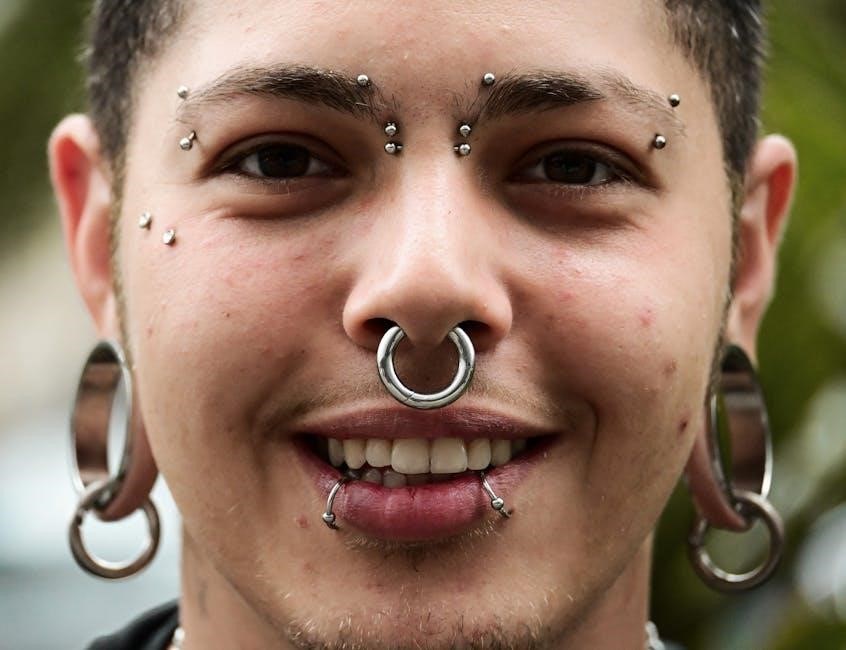
Ear Piercing Size Guide: A Comprehensive Overview
Navigating the world of ear piercings requires understanding sizing; unfortunately, websites sometimes face limitations, hindering immediate access to crucial information.
Understanding Gauge and Millimeters
When discussing ear piercing sizes, two primary measurement systems are used: gauge and millimeters. Gauge refers to the diameter of the piercing jewelry, but it operates on a reverse scale – a lower gauge number indicates a thicker piece of jewelry. This can be initially confusing! Millimeters, conversely, provide a straightforward linear measurement of the jewelry’s diameter.
Understanding both systems is vital for accurate communication with your piercer and for selecting appropriate jewelry. Many piercers are proficient in both, allowing for seamless adjustments and ensuring a comfortable fit. Knowing the difference empowers you to actively participate in the process and advocate for your body’s needs during and after piercing.
The American Wire Gauge (AWG) System
The American Wire Gauge (AWG) system, originally developed for electrical wiring, is commonly adopted for measuring piercing jewelry thickness. It’s a logarithmic scale, meaning the diameter increases disproportionately as the gauge number increases. For example, the jump from a 16g to a 14g represents a significant increase in jewelry thickness.

Common piercing gauges range from 20g (thinnest, often for initial lobe piercings) to 0g (thickest, used for stretched lobes or larger gauge piercings). Familiarizing yourself with these numbers helps you understand jewelry descriptions and discuss sizing preferences with your piercer. Remember, lower numbers equal thicker jewelry!
Converting Gauge to Millimeters
While the AWG system is prevalent, millimeters (mm) offer a more intuitive understanding of jewelry diameter. Converting between the two is essential for accurate sizing, especially when ordering jewelry online or communicating with piercers internationally. A 20g piercing equates to approximately 0.8mm in diameter, while a 16g is around 1.2mm.
As the gauge decreases (jewelry gets thicker), the millimeter measurement increases. A 14g is roughly 1.6mm, and a 12g measures about 2.0mm. Online conversion charts are readily available, but understanding the general relationship between gauge and millimeters empowers you to make informed decisions about your piercings.
Standard Ear Piercing Sizes by Location
Different ear piercings necessitate varying jewelry sizes due to anatomical differences and healing considerations. Lobe piercings, being the most common, typically start with 16g or 18g jewelry, ranging from 12mm to 19mm in length. Helix piercings generally utilize 16g or 18g studs, with post lengths between 6mm and 10mm.
More complex piercings like tragus and conch require precise measurements. Tragus piercings often use 16g or 18g jewelry with lengths of 6mm-8mm, while conch piercings can vary significantly, needing 16g or 14g with lengths from 6mm to 10mm. Accurate sizing is crucial for comfort and proper healing.
Lobe Piercings: Common Sizes
Lobe piercings, being the most versatile, accommodate a range of jewelry gauges and lengths. Initially, most piercers utilize 18g needles, resulting in jewelry of the same gauge. Post lengths typically fall between 10mm and 12mm for standard lobes, ensuring comfortable wear and room for swelling during healing.
However, lobe size can vary based on individual anatomy and preference. Some individuals opt for 16g jewelry for a slightly thicker appearance. Lengths can extend to 19mm or even longer for stretched lobes. Choosing the correct length prevents irritation and promotes healthy healing, allowing for diverse jewelry styles.
Helix Piercings: Recommended Gauges
Helix piercings, located on the upper cartilage, generally require thinner jewelry than lobe piercings. A 16g or 18g needle is commonly used for initial piercing, with corresponding jewelry gauges. Barbell lengths typically range from 6mm to 8mm, depending on the thickness of the cartilage and desired fit.
Shorter lengths minimize snagging, while longer lengths provide more room for swelling. Curved barbells or rings are popular choices, but ensure they are appropriately sized to avoid pressure points. Cartilage is less forgiving than lobes, so precise sizing is crucial for comfortable healing and preventing migration.
Forward Helix Piercings: Size Considerations
Forward helix piercings, situated at the front curve of the cartilage, present unique sizing challenges. Due to the limited space and often thinner cartilage, 16g or even 18g jewelry is frequently recommended. Barbell lengths are typically shorter, ranging from 5mm to 7mm, to accommodate the area’s anatomy.
Careful consideration must be given to the post length; too long, and it will protrude noticeably, while too short can cause irritation. Curved barbells or small rings are common choices, but ensure a snug, comfortable fit. A skilled piercer will assess your cartilage thickness for optimal sizing.
Tragus Piercings: Optimal Gauge and Length
Tragus piercings, located on the small flap of cartilage protecting the ear canal, require precise sizing for comfort and proper healing. Typically, a 16g or 18g gauge is used, as the tragus cartilage is relatively thin. Barbell lengths generally fall between 6mm and 8mm, though this varies based on individual anatomy.
Shorter lengths are preferred to prevent irritation of the ear canal. Curved barbells are commonly used, conforming to the tragus’s shape. A professional piercer will carefully measure to ensure the jewelry doesn’t apply undue pressure or impede movement. Initial jewelry material is also crucial for successful healing.
Conch Piercings: Inner and Outer Conch Sizes
Conch piercings, categorized as inner or outer, necessitate different jewelry sizing considerations. Outer conch piercings, placed on the flat cartilage, generally utilize 16g jewelry with post lengths ranging from 6mm to 10mm, depending on cartilage thickness. A stud is a common choice for this placement.
Inner conch piercings, situated closer to the ear canal, often require a larger gauge – typically 14g – and slightly longer post lengths, around 8mm to 12mm. Curved barbells can also be used. Accurate measurement by a skilled piercer is vital to avoid pressure points and ensure comfortable healing;
Rook Piercings: Gauge and Length Details
Rook piercings, traversing the inner cartilage fold, demand precise jewelry sizing for optimal comfort and healing. Typically, a 16g or 14g needle is used for the initial piercing. Jewelry length is crucial, generally ranging from 6mm to 8mm for curved barbells. Shorter lengths can cause pressure, while longer lengths may lead to migration.
The anatomy of the rook varies significantly between individuals, necessitating a careful assessment by a professional piercer. They will consider the cartilage thickness and the desired fit to determine the appropriate length. Downsizing may be recommended once initial swelling subsides.
Daith Piercings: Size for Comfort and Healing
Daith piercings, located within the innermost cartilage fold, require careful consideration of both gauge and diameter for a comfortable and successful healing process. A 16g or 14g needle is commonly used for the initial piercing. Jewelry diameter typically ranges from 6mm to 8mm, utilizing a captive bead ring or a circular barbell.
Due to the unique curvature of the daith, precise measurement is vital. Too small a diameter can cause pressure and impede blood flow, while too large a diameter risks migration. A skilled piercer will assess your anatomy and recommend the ideal size, potentially adjusting it during healing.
Industrial Piercings: Bar Length and Gauge
Industrial piercings, spanning two points on the upper cartilage, demand precise sizing for optimal comfort and to avoid undue pressure. Typically, a 14g barbell is used, offering sufficient strength and a relatively comfortable fit. Determining the correct bar length is crucial; it must accommodate the distance between the entry and exit points without being overly tight or loose.
Lengths generally range from 32mm to 40mm, but individual anatomy dictates the ideal size. A piercer will accurately measure the distance and add a few millimeters to allow for swelling during healing. Avoid excessively long bars, as they increase the risk of snagging and migration.
Materials and Their Impact on Size
The material of your piercing jewelry significantly influences both comfort and the apparent size needed. Different materials possess varying levels of biocompatibility and can affect healing. Surgical steel, a common choice, is durable and affordable, but some individuals experience sensitivities. Titanium, renowned for its hypoallergenic properties, is ideal for sensitive skin and often recommended for initial piercings.
Gold, particularly 14k or 18k, offers a luxurious option, but purity matters to minimize allergic reactions. Acrylic and Bioplast are frequently used for initial piercings due to their flexibility and lightweight nature, aiding in comfortable healing. Material choice can subtly alter the required gauge or length.
Surgical Steel: A Common Choice
Surgical steel remains a widely utilized material for ear piercings due to its affordability and robust durability. Typically, it’s an alloy containing iron, chromium, nickel, and sometimes molybdenum. The chromium content provides corrosion resistance, a key factor for body jewelry. However, the presence of nickel is a potential concern for those with sensitivities, potentially causing allergic reactions or delayed healing;
While generally safe, individuals with known nickel allergies should opt for hypoallergenic alternatives like titanium. Surgical steel is available in various gauges and is suitable for many initial and established piercings, offering a balance between cost and quality.
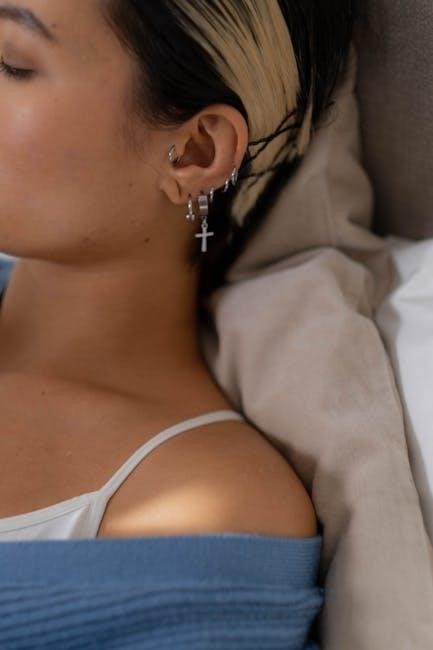
Titanium: Hypoallergenic Options

For individuals with metal sensitivities, titanium emerges as a superior choice in ear piercing jewelry. This biocompatible metal is exceptionally lightweight, strong, and completely free of nickel – a common allergen found in surgical steel. Its inherent hypoallergenic properties minimize the risk of adverse reactions, promoting faster and more comfortable healing, especially for initial piercings.
Titanium is available in implant-grade options (ASTM F-136), ensuring the highest purity and safety standards. While generally more expensive than surgical steel, the investment is worthwhile for those prone to allergies or seeking optimal healing conditions. It’s suitable for all piercing locations.
Gold: Karat and Purity Considerations
Gold, a classic choice for jewelry, requires careful consideration regarding karat and purity when selecting ear piercing adornments. Higher karat gold (24k) is softer and more prone to bending, making it less ideal for piercings. 14k or 18k gold offers a balance of durability and gold content. However, pure gold is often alloyed with other metals, potentially including nickel, which can cause allergic reactions.
Opt for 14k or 18k yellow gold, as white gold often contains nickel. Verify the gold is nickel-free and sourced from a reputable supplier. While aesthetically pleasing, gold isn’t always the best initial piercing material due to potential alloy sensitivities.
Acrylic and Bioplast: Initial Piercing Materials
Acrylic and Bioplast are frequently recommended for initial ear piercings, particularly for those with sensitivities. These materials are hypoallergenic, lightweight, and affordable, minimizing irritation during the crucial healing phase. Bioplast, a medical-grade plastic, is exceptionally biocompatible and flexible, reducing pressure on the piercing site.
Acrylic, while less flexible than Bioplast, offers a wide range of colors and styles. Both materials are non-porous, preventing bacteria buildup. However, avoid low-quality acrylics, as they can harbor bacteria. They are excellent temporary options before transitioning to metals like titanium or gold.
Measuring Your Existing Piercing
Accurately measuring your existing piercing is vital when replacing jewelry or assessing healing progress. A piercing gauge tool, readily available online or at piercing shops, provides the most precise measurement. Simply insert different gauge wires until you find one that snugly fits the piercing.

If a gauge tool isn’t accessible, a ruler can offer an estimate. Carefully measure the visible portion of the jewelry, excluding decorative ends. Remember this is less accurate. Document your findings; knowing your gauge and length prevents future complications. Always prioritize professional guidance for initial sizing or if unsure.
Using a Piercing Gauge Tool
A piercing gauge tool is the gold standard for determining your jewelry size with precision. These tools consist of a series of wires, each representing a different gauge. Start with a larger gauge wire and gently attempt to insert it through your piercing.
If it slides through easily, move to a smaller gauge. The correct gauge is the one that offers slight resistance but passes through without excessive force. Note the corresponding gauge number. For accurate length measurement, use a ruler alongside the gauge tool. This method minimizes errors and ensures a comfortable, well-fitting replacement.
Estimating Size with a Ruler
While a piercing gauge tool is preferred, a ruler can offer a reasonable estimate when one isn’t available. Carefully remove your jewelry and lay it flat against a ruler with millimeter markings. Measure the visible portion of the post or bar, excluding any decorative ends.
For gauge, approximate using conversion charts (gauge to millimeters); Remember, this method is less precise and prone to error. Always prioritize professional measurement for accurate sizing, especially when changing piercings or experiencing discomfort. A slight inaccuracy can impact healing and comfort.
Downsizing and Upsizing Piercings
Adjusting piercing size, whether downsizing or upsizing, requires careful consideration and professional guidance. Downsizing is often necessary after initial healing as swelling subsides, preventing migration and ensuring a snug fit. This is crucial for long-term stability. Upsizing, while less common, might be desired for comfort or aesthetic reasons.
However, rapid or excessive upsizing can strain the piercing and potentially cause damage. Always consult a reputable piercer before making any size changes. They can assess your anatomy and recommend appropriate adjustments, minimizing risks and promoting healthy healing.
The Importance of Downsizing
Downsizing your initial piercing jewelry is a critical step in the healing process and long-term health of your piercing. The jewelry initially inserted is often slightly larger to accommodate swelling. As the swelling reduces, larger jewelry can move around excessively, irritating the piercing channel and increasing the risk of migration or rejection.

Downsizing to a properly fitted piece of jewelry provides stability, encourages the skin to heal tightly around the jewelry, and minimizes potential complications. A professional piercer can guide you on the appropriate timing and size for downsizing, ensuring a smooth and successful transition.
Safe Upsizing Practices
While downsizing is crucial for initial healing, carefully considered upsizing can enhance comfort and aesthetic appeal once a piercing is fully healed. However, rushing the process or upsizing too dramatically can cause irritation and even damage the piercing.
Upsizing should be gradual, increasing the jewelry size in small increments. Always choose high-quality materials to minimize allergic reactions. Monitor the piercing closely for any signs of irritation, redness, or migration. If discomfort arises, revert to the previous size and consult a professional piercer. Patience and professional guidance are key to safe and successful upsizing.
Factors Affecting Piercing Size Needs
Determining the correct piercing size isn’t one-size-fits-all; several individual factors significantly influence optimal jewelry dimensions. Anatomy plays a crucial role, as ear shapes and cartilage thickness vary greatly between individuals. Initial swelling post-piercing necessitates larger jewelry to accommodate inflammation and prevent pressure.
Even after the initial healing phase, individual healing responses differ, impacting long-term size requirements. Furthermore, the specific piercing location dictates appropriate gauge and length. Considering these variables ensures comfort, promotes proper healing, and minimizes the risk of complications. Consulting a skilled piercer is vital for personalized sizing recommendations.
Anatomy and Individual Variation
The human ear exhibits remarkable anatomical diversity, profoundly impacting ideal piercing sizes. Cartilage thickness, a key factor, varies significantly from person to person, influencing gauge selection. Ear shape, including curvature and lobe size, also dictates appropriate jewelry length and style.
These inherent differences mean a “standard” size rarely exists. What works perfectly for one individual may be unsuitable for another. Ignoring these anatomical nuances can lead to discomfort, improper healing, or even rejection. A professional piercer assesses these unique characteristics to recommend jewelry that complements your specific ear structure, ensuring a safe and aesthetically pleasing result.
Swelling During Healing

Post-piercing swelling is a natural physiological response, significantly affecting initial jewelry sizing. The body’s inflammatory reaction to the trauma causes tissues around the piercing to expand. Jewelry must accommodate this swelling to prevent pressure, irritation, and potential complications like infection or delayed healing.
Initially fitted jewelry is typically slightly larger to allow for this expansion. As swelling subsides during the healing process, downsizing becomes crucial. This prevents migration and ensures the jewelry remains comfortably and securely in place. Ignoring swelling and wearing too-tight jewelry can impede blood flow and prolong healing, so patience and proper aftercare are essential.
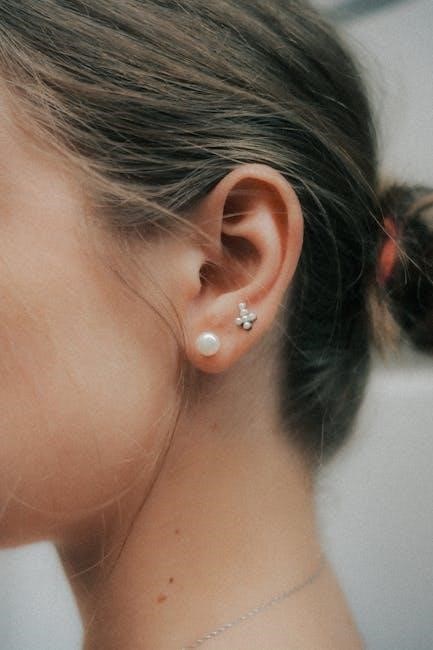
Finding a Reputable Piercer
Selecting a skilled and experienced piercer is paramount for a safe and successful piercing experience, directly impacting appropriate sizing. A reputable piercer prioritizes hygiene, utilizing sterile equipment and following strict cross-contamination protocols. They possess in-depth knowledge of anatomy and piercing techniques, ensuring correct placement and jewelry selection.

Don’t hesitate to research piercers, checking portfolios and reading reviews. A consultation is vital; discuss your desired piercing, potential sizing options, and aftercare instructions. A professional piercer will patiently answer your questions and guide you toward the best choice for your anatomy and lifestyle, avoiding future sizing issues.
Importance of Professional Piercing
Opting for a professional piercing significantly minimizes risks and ensures optimal healing, directly influencing long-term jewelry sizing. Attempting self-piercing or utilizing untrained individuals can lead to infection, improper placement, and scarring, complicating future size adjustments. Professionals utilize sterile, single-use equipment, adhering to strict hygiene standards to prevent complications.
Their expertise guarantees accurate placement, crucial for comfort and aesthetic appeal. A skilled piercer assesses your anatomy to determine the appropriate jewelry gauge and length, avoiding unnecessary pressure or migration. Investing in a professional piercing is an investment in your health and the longevity of your piercing, setting the stage for correct sizing.
Discussing Size with Your Piercer
Open communication with your piercer is paramount when determining the ideal jewelry size. Don’t hesitate to express any concerns or preferences regarding gauge and length; they are equipped to guide you. Discuss your anatomy, lifestyle, and desired aesthetic to ensure a comfortable and visually pleasing fit.
Ask about the initial jewelry material and its impact on swelling. Understand the potential for downsizing and the importance of proper aftercare. A reputable piercer will explain the reasoning behind their recommendations, empowering you to make informed decisions about your piercing size and future adjustments.
Aftercare and Size Adjustments
Diligent aftercare is crucial for successful healing and may influence future size adjustments. Following your piercer’s instructions regarding cleaning and handling minimizes swelling and irritation, allowing for accurate assessment of the final fit. Initial jewelry is often slightly larger to accommodate swelling; downsizing is typically recommended once healed.
Be patient and avoid premature changes. If you experience persistent discomfort or notice signs of infection, consult your piercer immediately. They can evaluate the piercing and advise on appropriate adjustments or treatment. Remember, proper aftercare and professional guidance are key to a comfortable, long-lasting piercing.
Proper Aftercare for Optimal Healing
Consistent and gentle aftercare is paramount for a smooth healing process and preventing complications; Clean the piercing twice daily with a sterile saline solution – avoid harsh soaps, alcohol, or hydrogen peroxide. Gently rotate the jewelry during cleaning to prevent adhesion, but avoid excessive movement.
Keep the area dry and avoid touching it with unwashed hands. Protect the piercing from trauma, like snagging on clothing, and refrain from swimming in pools or natural bodies of water during initial healing. A healthy lifestyle, including adequate sleep and nutrition, also supports optimal healing.
When to Consult Your Piercer About Size
Don’t hesitate to reach out to your piercer if you experience persistent discomfort or suspect an incorrect size. Significant swelling, redness, or prolonged pain beyond the initial few days warrants professional evaluation. If jewelry feels too tight, causing indentation or restricting movement, or too loose, posing a snagging risk, seek advice.
Changes in the piercing’s appearance, like excessive migration or rejection, also necessitate a piercer’s assessment. They can accurately evaluate the situation and recommend appropriate adjustments, downsizing, or alternative jewelry options to ensure continued healing and prevent complications.