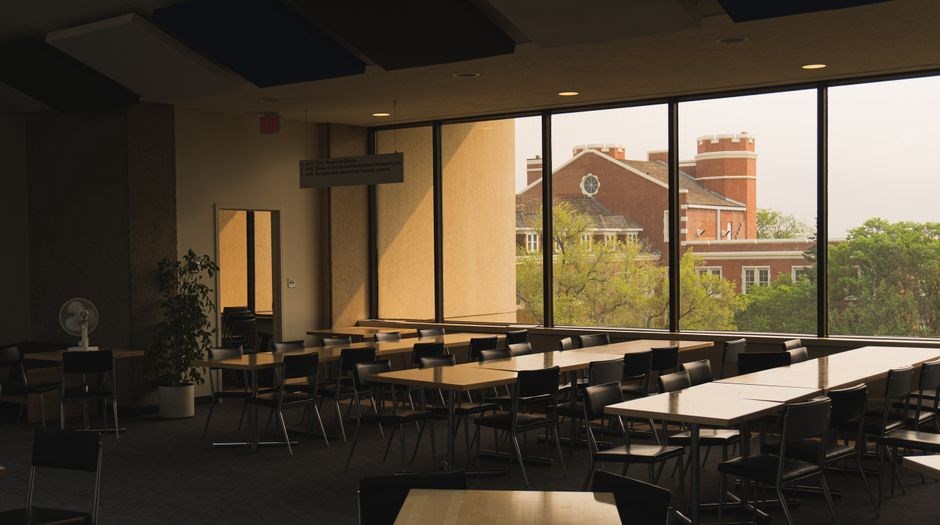
Overview of Berg Instructional Center (BIC) and Student Services Center (SSC)
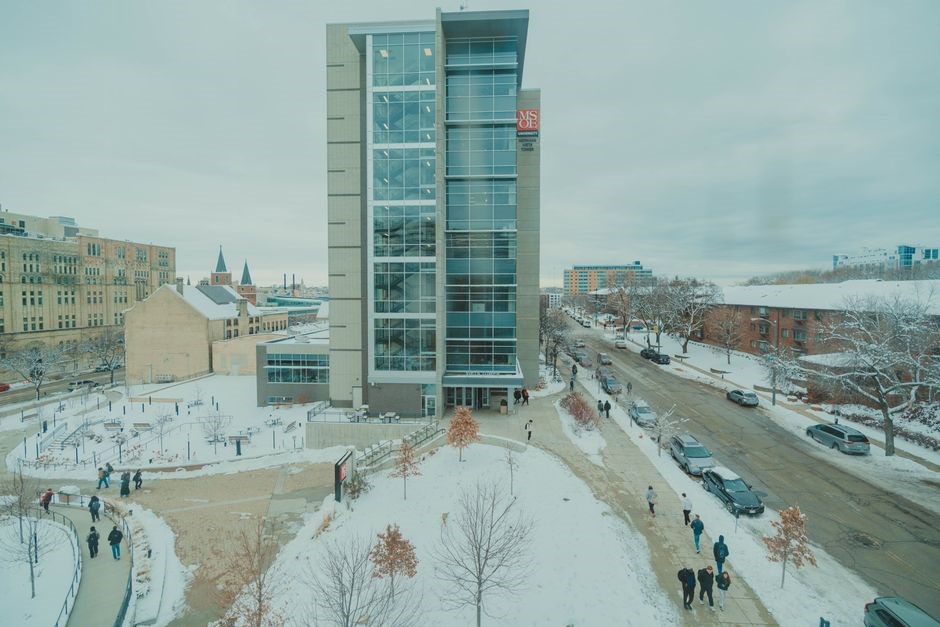
The Berg Instructional Center (BIC) and Student Services Center (SSC) at College of DuPage combine new classrooms, offices, labs, and student‑service zones. A single‑floor layout features a central corridor, multiple meeting rooms, a library, and a food service lounge, all accessible via a secure entrance;
Geographic Location and Campus Context
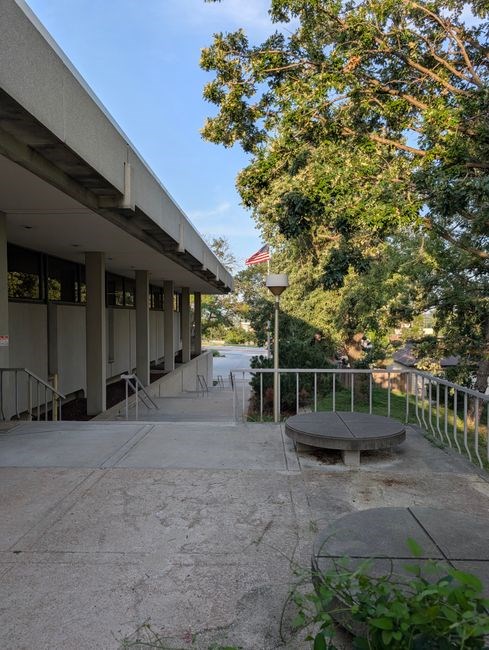
The Berg Instructional Center (BIC) and Student Services Center (SSC) sit at the heart of the College of DuPage’s main campus, located at 1000 W. 20th Street in Glen Ellyn, Illinois. The complex occupies a full city block bounded by 20th Street to the north, 19th Street to the south, Maple Avenue to the east, and Oak Road to the west. Its position places it directly adjacent to the College’s central administration building, the library, and the student union, creating a seamless flow for students and faculty. The BIC/SSC is easily accessible by multiple public transit options, including the Pace bus lines 12, 13, and 14, which run along 20th Street and stop just steps from the main entrance. For those who drive, the campus offers a dedicated parking structure on the south side of the building, with reserved spaces for faculty, staff, and students. Bicycle commuters are welcomed with secure bike racks located on the east façade, and a small electric‑vehicle charging station is available near the entrance. The surrounding neighborhood is a mix of residential homes and small businesses, providing a quiet yet vibrant environment. The campus is also within a short walking distance of the Glen Ellyn train station, which connects to the Metra Rock Island District line, offering convenient access to downtown Chicago and other suburbs. The BIC/SSC’s central location enhances collaboration across departments, as faculty from the College of DuPage’s School of Business, School of Education, and School of Engineering can easily share resources and schedule joint sessions.!
Building Access and Entrance Points
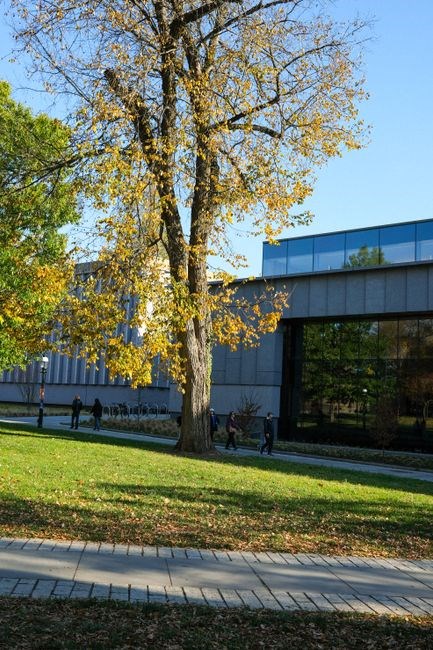
The main entrance on 20th Street opens to a security checkpoint. After verification, visitors enter a lobby with directional signage, elevators, and stairwells leading to the BIC/SSC floors. A secondary entrance on Oak Road provides parking access.bike rack. locker
Entrance and Security Check
Upon arrival at the Berg Instructional Center (BIC) and Student Services Center (SSC), visitors first encounter the main entrance located on 20th Street. The entrance is marked by a prominent glass façade and a digital information kiosk that provides real‑time updates on campus events, parking availability, and emergency procedures. Immediately inside, a dedicated security checkpoint staffed by campus security officers conducts a thorough screening of all visitors. The checkpoint includes a metal detector, bag‑inspection station, and a biometric scanner that verifies the visitor’s credentials against the college’s visitor management system. Visitors must present a valid ID, a signed visitor badge, or a pre‑registered access code. Once cleared, a short hallway leads to a reception desk where staff greet guests, issue temporary visitor passes, and provide a campus map with highlighted routes to key facilities such as the library, student lounge, and academic departments. The reception area is equipped with a digital display that shows the current weather, campus news, and a QR code linking to the mobile campus app for real‑time navigation assistance. For those requiring additional assistance, a wheelchair‑accessible elevator is located adjacent to the reception, and the entire entrance area complies with ADA standards. The security protocol also includes a brief orientation video that explains emergency evacuation routes, fire extinguisher locations, and the location of first aid stations. This orientation is mandatory for all first‑time visitors and is available in multiple languages to accommodate the diverse student body. The entrance area is designed to create a welcoming yet secure environment, ensuring that all visitors feel safe while navigating the BIC and SSC facilities. The combination of advanced screening technology, friendly staff, and clear signage helps maintain a smooth flow of foot traffic, especially during peak registration periods and campus events.
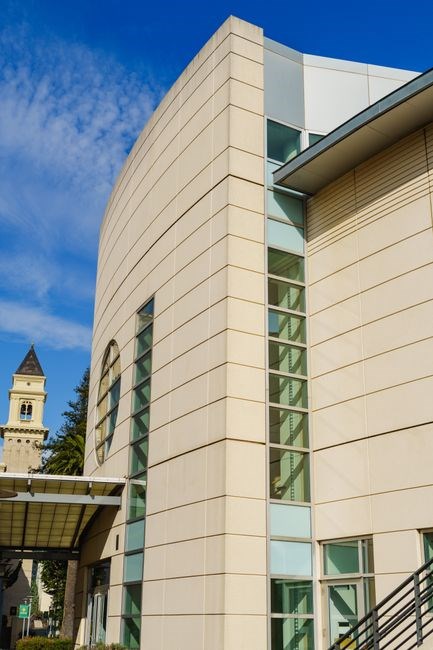
Floor-Level Overview
Level 1 of the BIC/SSC hosts a central corridor flanked by classrooms, offices, and meeting rooms. An elevator and stairs provide vertical access, while restrooms, a student‑service area, and a small lab occupy the outer perimeter. The layout promotes easy navigation and collaborative spaces. All areas ADA.?!
Level 1 Layout
Level 1 of the Berg Instructional Center and Student Services Center is a single‑story, open‑concept space designed for maximum accessibility and flexibility. The main corridor runs the length of the building, flanked by a series of classrooms, faculty offices, and collaborative meeting rooms. At the far end of the corridor, a dedicated student‑service area houses the library, a small resource lab, and a food‑service lounge that doubles as a social hub; The layout is punctuated by a central elevator and a set of stairwells that provide access to the adjacent parking structure and the campus’s underground utilities.Restrooms are strategically placed on both sides of the corridor to serve the high volume of students and staff.The building’s exterior is protected by a security checkpoint that grants access to authorized personnel only.All spaces are ADA compliant, with wide aisles, low‑threshold doors, and accessible restrooms.The design emphasizes natural light, with large windows overlooking the campus quad, and incorporates acoustic panels in the classrooms to reduce noise.The student‑service area features a library with a quiet study zone, a computer lab with high‑speed internet, and a small meeting room for group projects.The food‑service lounge offers a variety of quick‑serve options, a seating area, and a small kitchen for staff.The overall layout supports a fluid flow of movement, encouraging interaction among students, faculty, and staff while maintaining clear separation between instructional and service zones.
All areas are ADAsafe.
Level 2 Layout
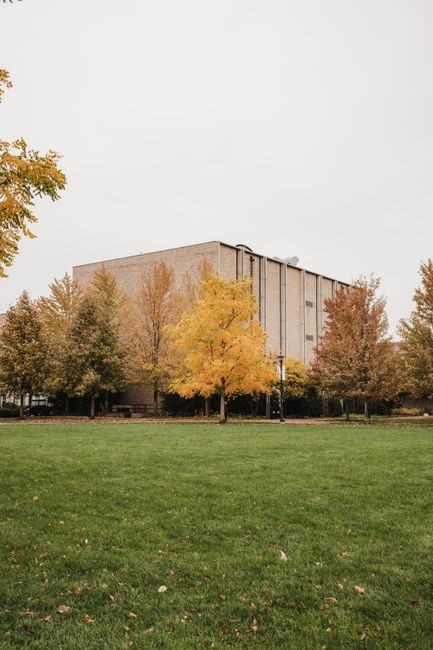
Level 2 of the Berg Instructional Center is a dedicated instructional hub featuring lecture halls, small‑group rooms, and a state‑of‑the‑art computer lab. The floor is organized around a central atrium that provides natural light and a visual connection to the campus quad. At one end of the atrium, a series of lecture rooms (rooms 201–205) are arranged in a U‑shaped configuration to facilitate large‑class instruction and collaborative learning. Each lecture room is equipped with advanced audio‑visual technology, including interactive whiteboards and wireless presentation systems. Adjacent to the lecture rooms, a set of breakout rooms (rooms 206–210) offers flexible spaces for group projects, tutoring sessions, and faculty meetings. These rooms are furnished with modular furniture that can be reconfigured to accommodate different teaching styles and class sizes. The computer lab (room 211) houses high‑performance workstations, a dedicated server rack, and a network‑secured environment for research projects. The lab is also equipped with a 3‑D printer, a virtual reality station, and a set of software licenses for engineering, design, and media production courses. The Level 2 layout is designed to promote an engaging learning environment while maintaining a clear separation between instructional spaces and support services. All areas are ADA compliant, with aisles and accessible restrooms. The overall design emphasizes natural light, acoustic treatment, and flexible furniture to support a variety of teaching methods and student needs; All spaces are open!!!!
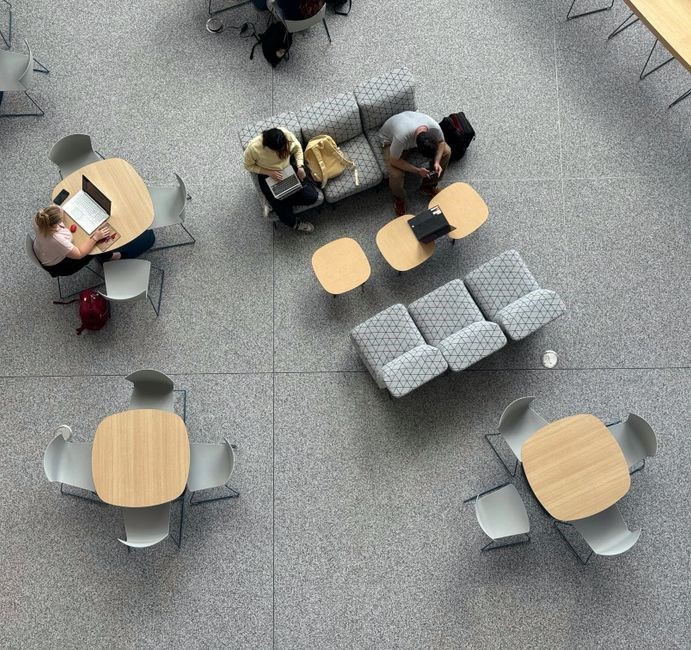
Key Facilities and Zones
The Berg Instructional Center hosts a modern lecture hall, collaborative labs, a dedicated library wing, a student lounge, and an administrative office zone. Each area is designed for accessibility, technology integration, and flexible learning environments. Green spaces, quiet alcoves, and a central atrium for events
Classroom and Office Spaces
At the Berg Instructional Center, the first‑floor layout prioritizes flexible learning and efficient workflow. A series of modern classrooms—numbered 1A01, 1A03, 1A05, 1A07, and 1A02—feature high‑definition projection, interactive whiteboards, and sound‑attenuating panels. Adjacent to each classroom is a small office dedicated to faculty and staff, providing a quiet area for grading, meetings, and administrative tasks. The offices are equipped with ergonomic desks, dual‑monitor setups, and secure storage lockers. A central corridor connects all classrooms and offices, allowing easy navigation and spontaneous collaboration. The design incorporates large windows that flood the space with natural light, reducing energy consumption and creating a welcoming atmosphere. Each classroom includes a dedicated storage closet for teaching materials, a digital signage display for announcements, and a dedicated Wi‑Fi access point. The offices feature a built‑in conference table, a private phone booth, and a small kitchenette for quick breaks. The layout also includes a shared resource room that houses a print shop, copy center, and a small library section. This room is accessible from both the classroom and office areas, ensuring that faculty and students can easily access materials without leaving the building. The library section offers a quiet study zone, a digital media lab, and a collaborative workspace equipped with Wi‑Fi and 3D printers. A dedicated study lounge with ergonomic seating and a quiet alcove supports focused group study All ADA compliant OK
Meeting Rooms and Labs
The Berg Instructional Center’s first floor hosts a series of versatile meeting rooms and state‑of‑the‑art laboratories, all strategically positioned along the main corridor to facilitate collaborative work and interdisciplinary projects. Rooms such as 1E01, 1E02, and 1E03 are equipped with high‑definition video conferencing systems, interactive whiteboards, and modular seating that can be reconfigured for workshops, seminars, or group discussions. Adjacent to the meeting rooms, the laboratory suite—designated 1F05, 1F07, and 1F09—features advanced scientific equipment, including digital microscopes, chemical workstations, and a 3‑D printing station. The labs are climate‑controlled, with built‑in safety cabinets, fume hoods, and emergency eyewash stations. A separate collaborative lab, labeled 1G04, offers a flexible layout with movable workstations, a large digital display wall, and a shared resource library of scientific journals and reference materials. All labs and meeting rooms are ADA compliant, with accessible entrances, adjustable desks, and audio‑visual aids for students with disabilities and inclusive! The design incorporates sound‑proofing panels to minimize noise interference, ensuring a conducive environment for both quiet study and dynamic group sessions. The integrated security system monitors all meeting rooms and labs, granting access via keycard or biometric scanner to protect sensitive equipment and confidential discussions. Together, these meeting rooms and labs create a hub of academic collaboration, fostering innovation and teamwork across disciplines.
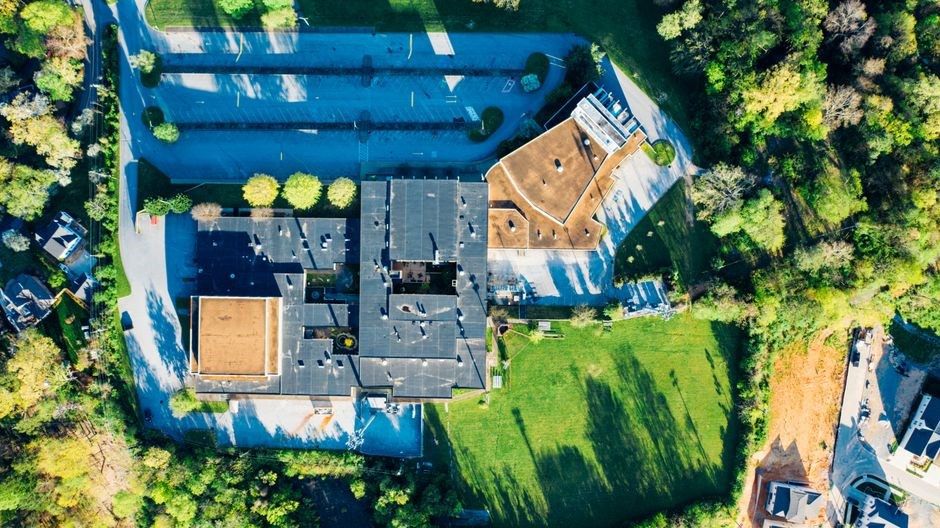
Student Service Areas
The BIC/SSC hosts a central library, a resource center, a food‑service lounge, and a student commons with study tables and a quiet zone. Accessible desks, Wi‑Fi, and printing stations support academic work, while counseling and career services are nearby.24/7 services open!!!
Library and Resource Center
The library and resource center in the Berg Instructional Center (BIC) is the cornerstone of academic support for students and faculty. Situated on the ground level, the space is designed to accommodate a wide range of study styles and research needs. A quiet zone offers individual carrels with ergonomic chairs, adjustable desks, and ample natural light, allowing students to focus on reading, note‑taking, or solitary research. Adjacent to the quiet area, a collaborative study lounge features flexible seating arrangements, whiteboards, and a large touch‑screen display for group projects and brainstorming sessions. The reference desk is staffed by experienced librarians who provide personalized assistance with literature searches, database navigation, citation formatting, and research methodology. They also manage the interlibrary loan system, enabling access to materials beyond the campus holdings, and coordinate with faculty to secure relevant resources for courses and projects.
Technology is a core component of the center. Over 30 computer stations are equipped with the latest software suites, including statistical analysis tools, graphic design programs, and programming environments. High‑speed Wi‑Fi covers the entire floor, and a dedicated printing area offers color and monochrome options, duplex printing, and secure document handling. For audio‑visual needs, the center houses a small media room with a projector, screen, and sound system, suitable for presentations, film screenings, or instructional videos. Accessibility features include wheelchair‑accessible workstations, adjustable desk heights, and assistive listening devices for students with hearing impairments.
Beyond physical resources, the library hosts a series of workshops and seminars throughout the academic year. Topics range from advanced research strategies, systematic literature reviews, and meta‑analysis techniques, to information literacy, academic writing, and digital scholarship. During peak periods, such as midterms and finals, the library extends its hours to accommodate increased demand, ensuring students have uninterrupted access to study spaces and support services. The center also offers a quiet study carrel for short breaks, a dedicated quiet zone for deep focus, and a small lounge with comfortable seating for informal discussions! The layout promotes both independent study and collaborative learning, making it a pivotal hub for academic success within the BIC/SSC complex.
Navigation and Map Resources
Students and visitors can access Berg Instructional Center (BIC) and Student Services Center (SSC) through a variety of navigation aids designed to streamline campus orientation. The official College of DuPage website hosts a detailed PDF floor plan (https://cod.edu/about/visitor-information/maps-directions/pdf/floor-bic-ssc;pdf) that highlights key zones, including classrooms, offices, labs, and library. This PDF is downloadable and printable, allowing users to annotate routes or mark meeting points. In addition, an interactive web map is embedded on campus map page, providing zoomable layers that show building footprints, parking lots, and pedestrian pathways. The map includes a search function where users can enter room numbers (e.g., 1129 for library) or facility names to receive real‑time directions. For those who prefer a physical reference, laminated map is posted at main entrance of BIC/SSC lobby. The map is updated quarterly to reflect renovations or temporary closures. Campus signage is strategically placed throughout building: directional arrows, color‑coded corridor markers, and QR codes that link directly to digital map. QR codes are positioned at each floor level entrance, near elevators, and in lobby, ensuring that even first‑time visitors can quickly scan and retrieve most current layout. By combining static printed maps, dynamic online tools, on‑site signage, BIC/SSC ensures that students staff can navigate complex efficiently and confidently. The navigation system also integrates with College’s mobile app, which provides push notifications for maintenance alerts, event schedules, and real‑time parking availability. The map also lists emergency exits.